
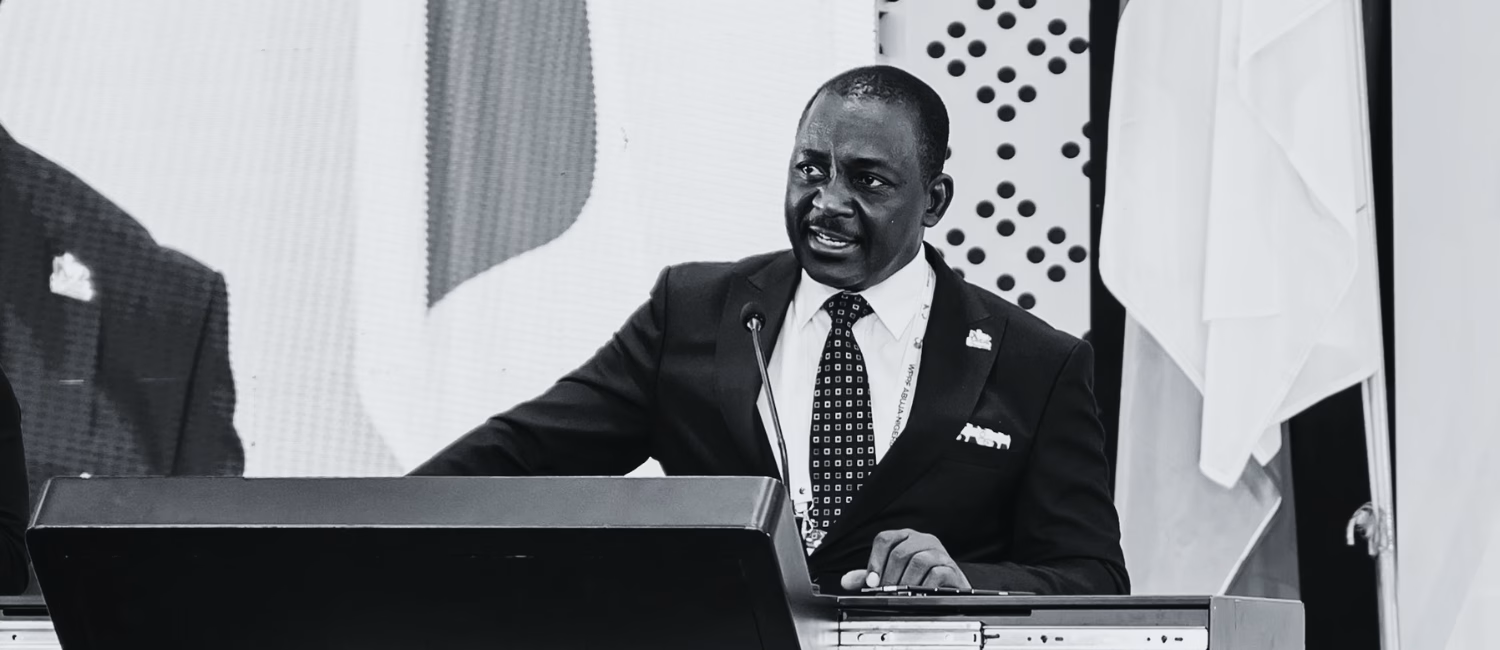
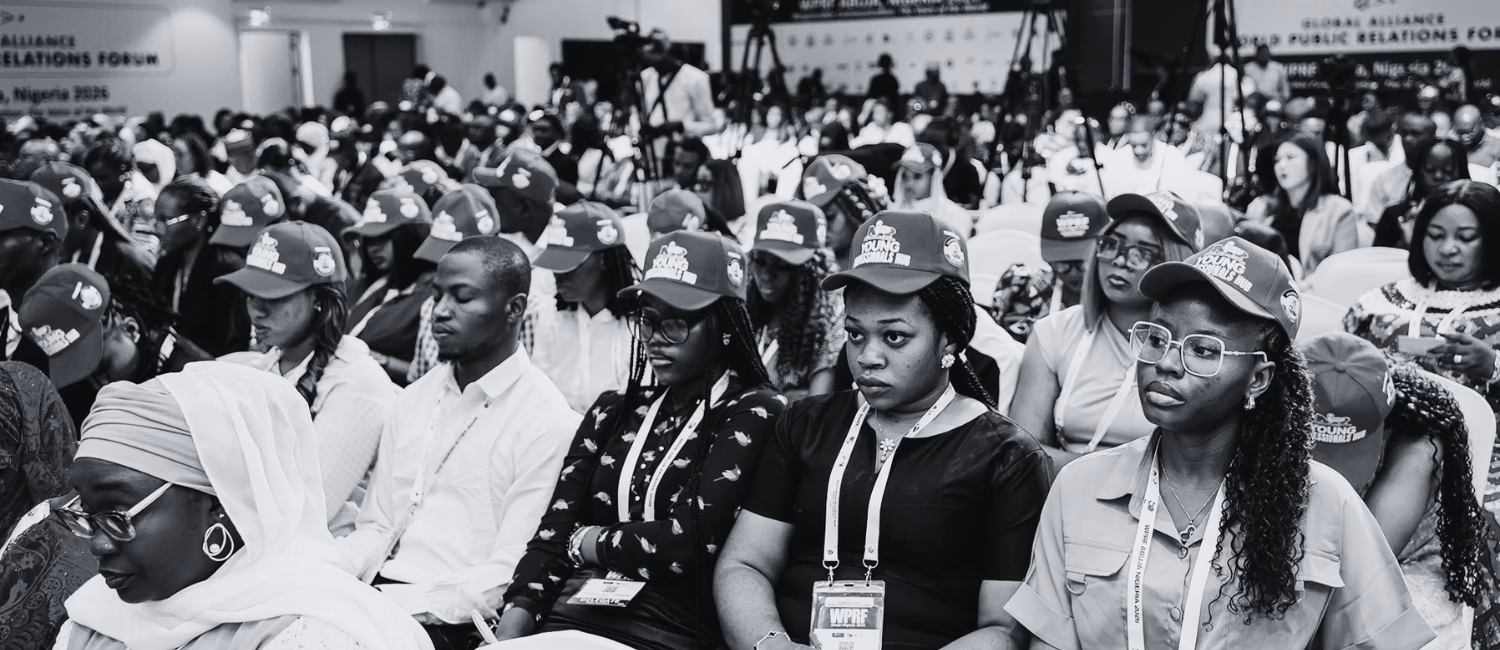
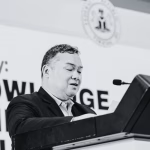
Inside the great hall of the World Public Relations Forum in Abuja, Nigeria, I found myself seated in the front rows reserved for leaders of National Public Relations Associations from across the globe. I was there carrying the mandate of the Public Relations Society of Tanzania (PRST), representing our President, Madam Annastazia Rugaba, and the executive secretariat. Notebook in hand, I watched Professor Emmanuel Dandaura of the Nigerian Institute of Public Relations take the stage.
The Paradox That Silenced the Hall
He did not begin with statistics. He did not begin with flattery. He clicked his remote and threw up a single slide bearing two words that silenced the entire hall: The Paradox. Beneath it, one sentence: “Never have we communicated so much, yet TRUSTED so little.” I sat there frozen. This was not a sentence. It was a verdict on our generation. A fellow association leader from East Africa, seated beside me with a cup of coffee turning cold in his hand, leaned over and whispered, “Boss, this man has just described our profession in nine words.”
I nodded. I had no reply. Because the truth is, this is the condition of our craft today. We have flooded the world with megapixel cameras, podcasts, TikToks, boosted Facebook posts, television adverts, radio jingles, and glossy billboards stretching from Kariakoo to Kigamboni, while continuing to churn out press releases and stage one launch after another.
From Messaging to Leadership: A Profession with a Conscience
Professor Dandaura did not stop at the diagnosis. He presented the new definition of public relations crafted by the Nigerian Institute: a strategic leadership role that builds trust, reputation, lasting relationships, and drives inclusive development through ethical, transparent, and culturally respectful communication.
This is not a sentence to be framed on an office wall. It is an invitation to change. The profession, he said, must shift from “messaging” to “leadership.” Public Relations must help give leadership a conscience. Think about that word. Conscience. Not a logo. Not a tagline. Not a crisis statement drafted at midnight to save a chief executive from the morning headlines. Conscience.

What Are We Teaching Our Students?
As I sat there, carrying the responsibility of representing a national association, I immediately thought of students in UDSM, SAUT, UDOM, IAA, NIT, TIA, DarTU and other universities. What are we really teaching them? Are we simply training them to write press releases and media invitations, or equipping them with the strategic confidence and critical thinking to challenge a Managing Director when organisational decisions threaten the dignity of a community? After all, PR is not just about communication tools; it is about influencing decisions, questioning authority, and protecting the public interest.
The End of the Glorified Spokesperson
I thought of the communications officers in our ministries, our parastatals, our banks, our mining companies. For too long, we have accepted a job description that turns us into glorified spokespersons, readers of statements, defenders of the indefensible, cleaners of messes we never made. But the profession Professor Dandaura described demands something greater. It demands that we become the uncomfortable voice in the room. The person who tells the boss the truth even when it bruises. The ethical filter. The voice of the community inside the walls of power.
The Storm of Artificial Intelligence
But a new storm loom, and the Professor did not pretend it does not exist. Artificial intelligence. Machines now write speeches, draft campaigns, generate press releases, answer customer complaints, and even produce apology videos. If our profession is reduced to the writing of messages, we are already obsolete. A machine can do it faster, cheaper, and without lunch breaks.
So, what is left for us? The Professor’s answer was precise: when machines can manufacture messages, human judgement becomes our greatest professional asset. Judgement. Conscience. Cultural intelligence. The ability to sit across from a grieving community and know when silence is stronger than a statement. The ability to read the room, to feel the pain, to sense what the data cannot show. These things no algorithm will ever possess.Africa’s
Untapped Treasure
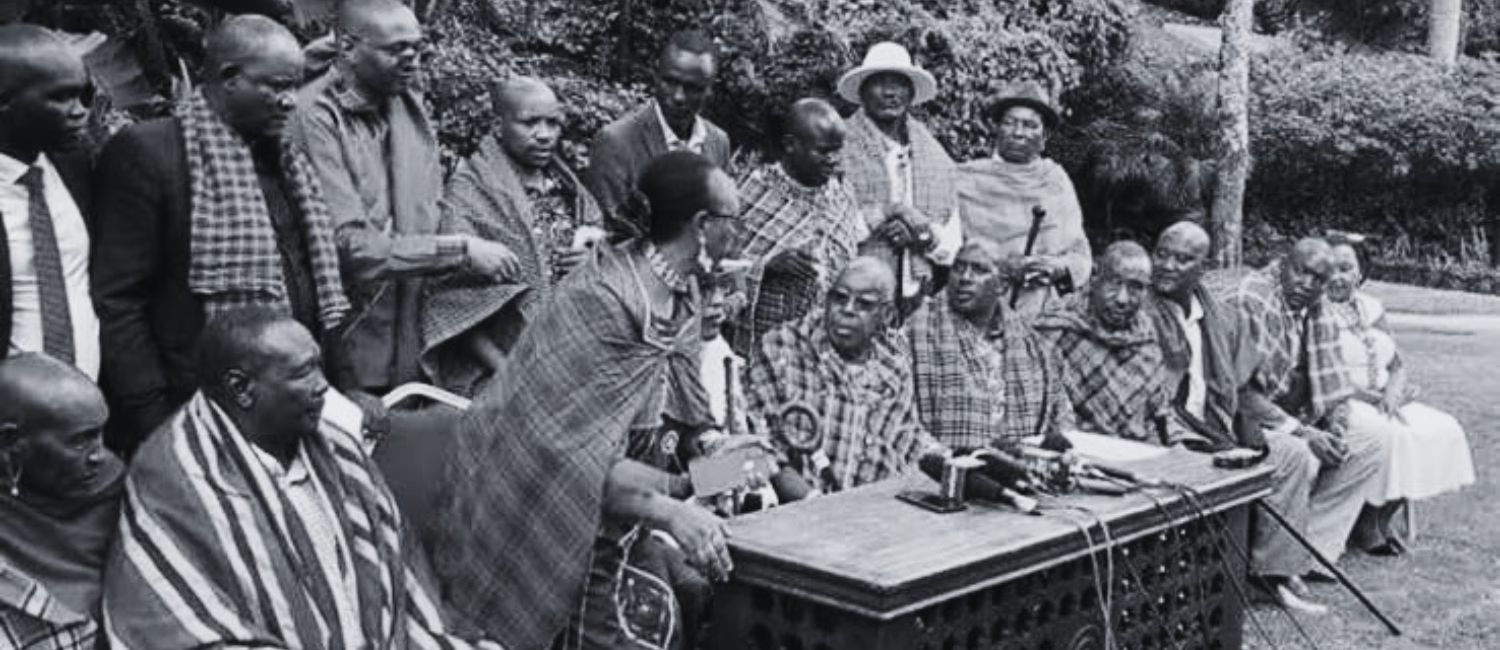
And here is where Africa must awaken. We sit on a treasure that the rest of the world is searching for: our oral traditions, our community councils, our baraza under the mango tree, and, most importantly, our instinct to consult the elders before making an announcement. Yet, despite having these rich cultural foundations, we often overlook their value as we rush to embrace modern communication trends. Instead of preserving, learning from, and building on these traditions, we increasingly find ourselves chasing engagement rates, viral posts, and digital visibility. However, while these tools may generate attention, they cannot replace the wisdom, trust, and sense of community embedded in our cultural practices. Therefore, if we abandon this heritage in pursuit of digital popularity, we risk building noise rather than a credible, distinctive, and respected profession.
The Questions We Must Carry Home
When I flew back to Dar es Salaam carrying PRST’s flag back home, the Professor’s three closing questions travelled with me: What trust did we earn? What relationship did we strengthen? Whose lives did we improve?
These are the questions of our age. If we refuse to answer them, history will record us as the generation that spoke endlessly and said absolutely nothing.

Indeed, Professor Dandaura has stated nothing but the fact. I had a good read and I appreciate the simplicity in this article. No big grammar. Just a straightforward, understandable article. Thank you 🙏🏾
Very very enriching