
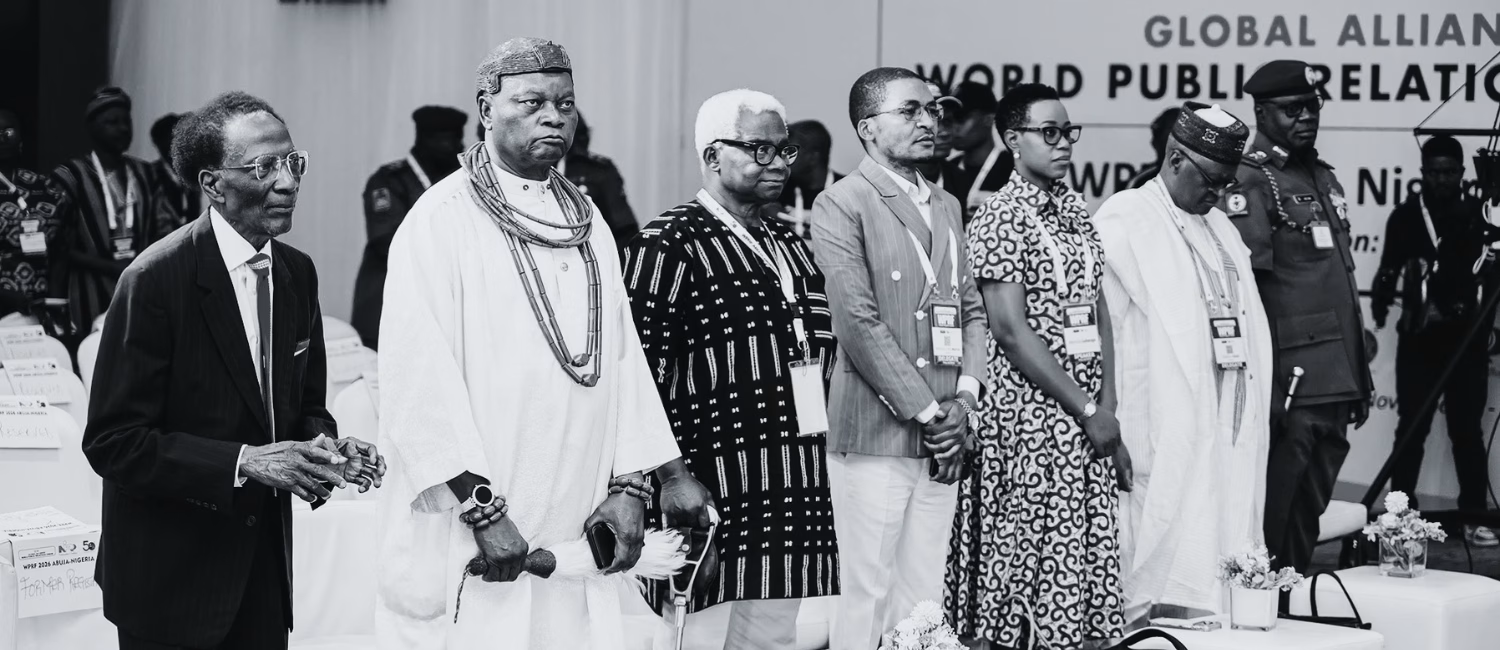
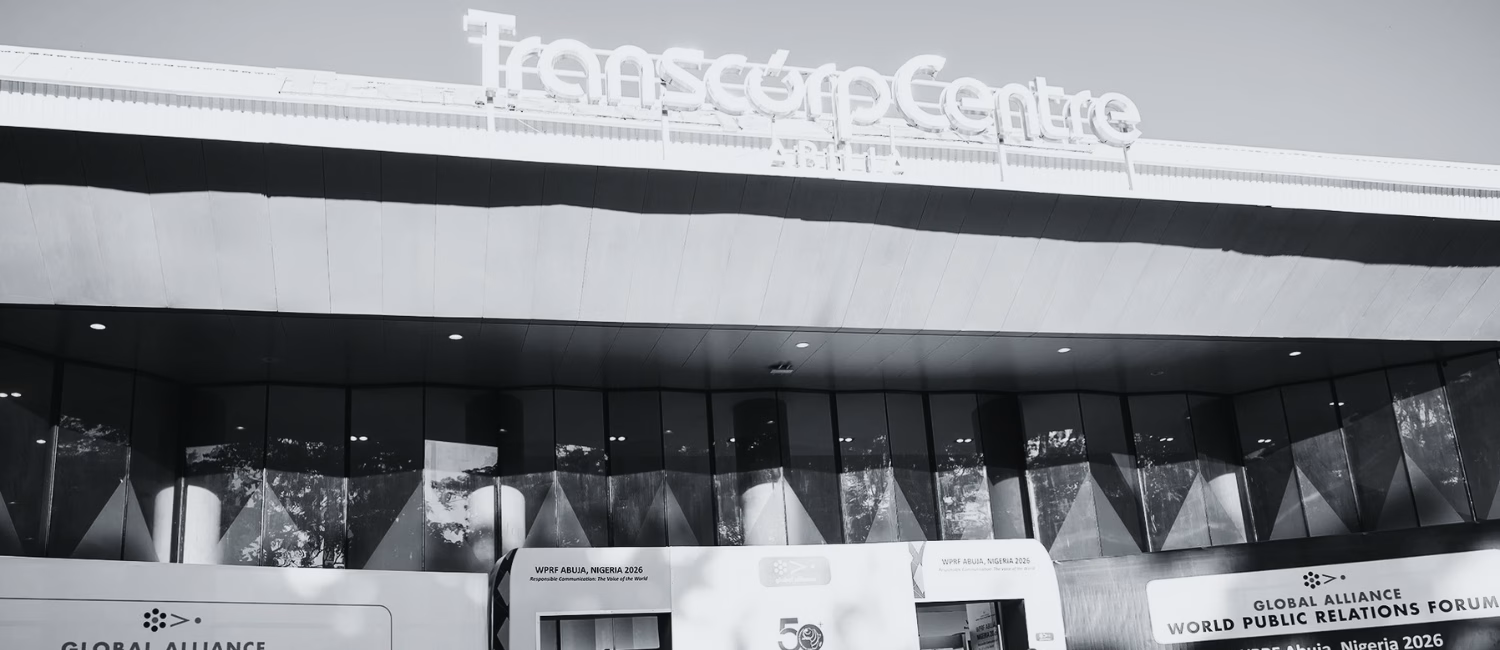
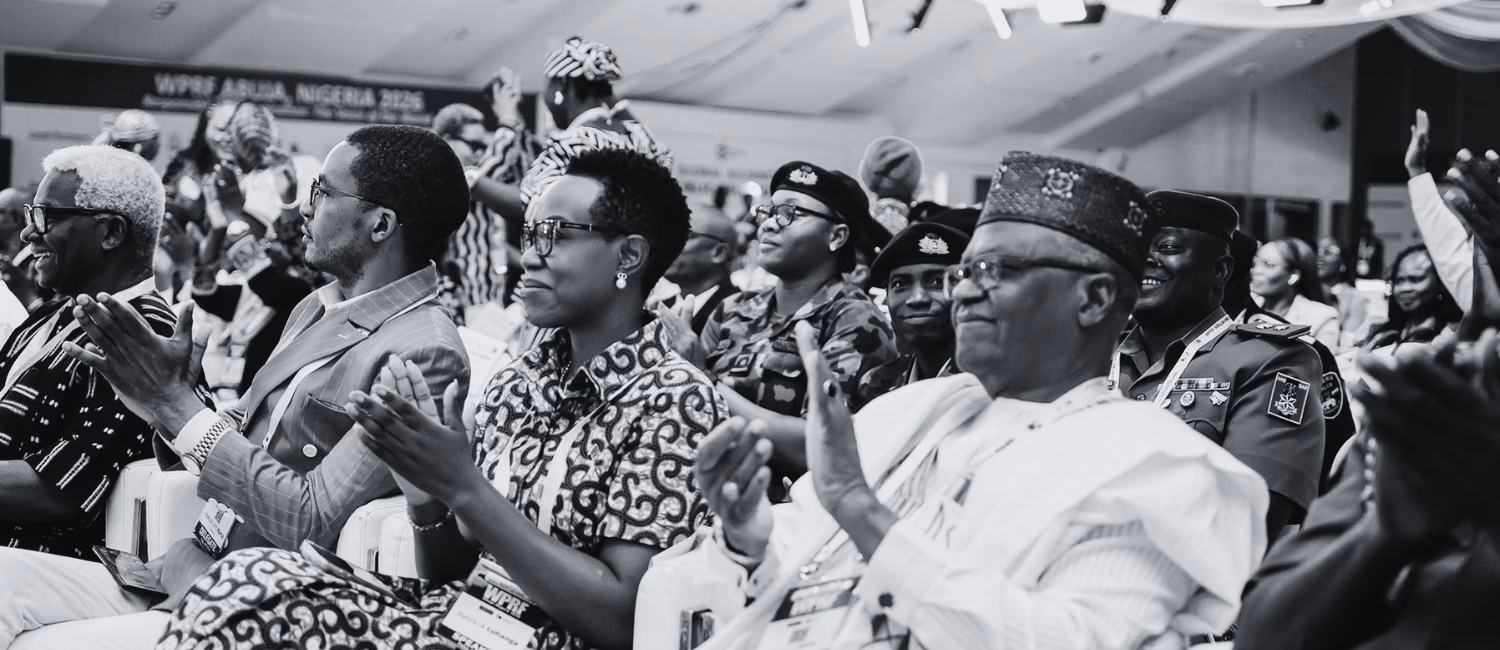
One day in Abuja, Nigeria, inside the great hall of the World Public Relations Forum, I found myself seated at the sidelines with a colleague from East Africa. Coffee cups in hand, our eyes tracking the scholars and professionals circulating through the room, he asked a question that stayed with me for days afterward. “Boss, we PR people in Africa, we talk a lot. But how much do we actually write?”
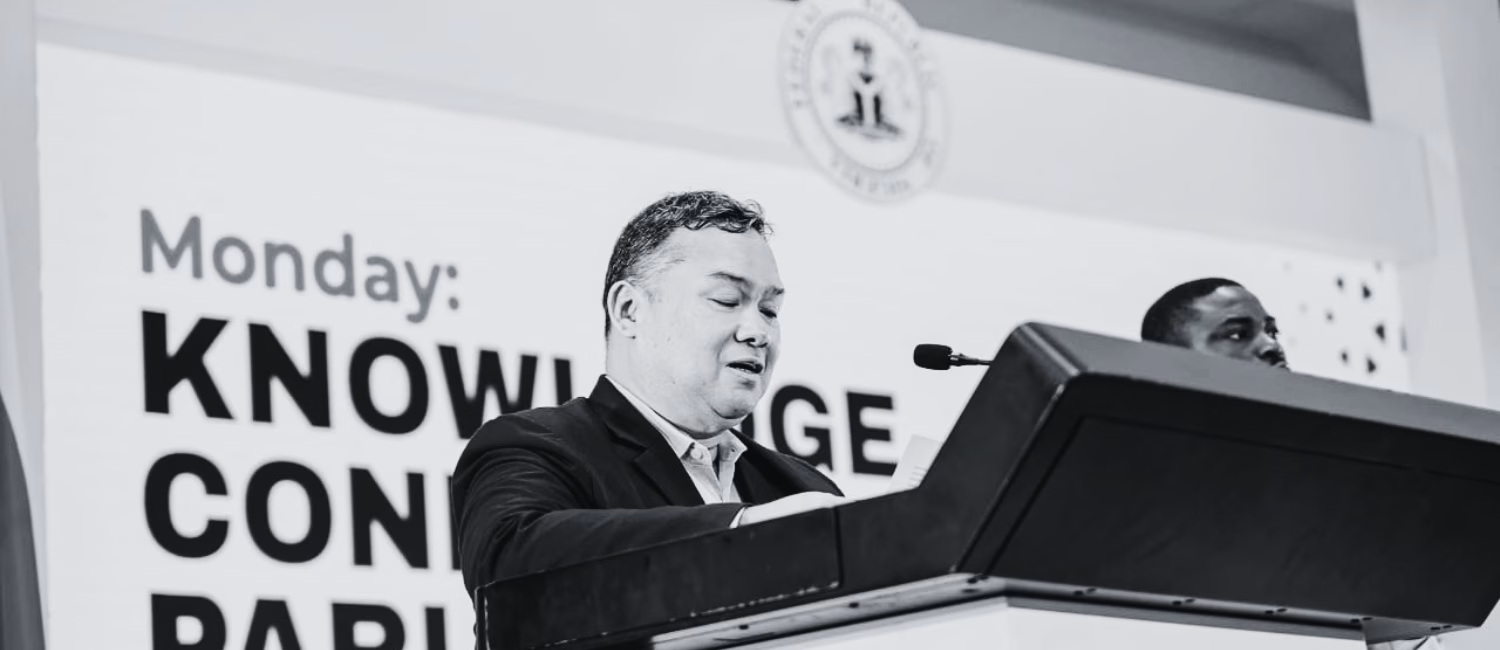
I had just come out of the opening address of the Prita Kemal Gani Knowledge Conference. The speaker was describing a new project — The Palgrave Handbook on Responsible Communication for a Sustainable Future — a volume bringing together 25 contributions from scholars across the globe. I sat there looking at the list of contributing authors. America, Britain, Germany, Indonesia, the Philippines, India. Even our neighbors in South Africa were there. But I asked myself, where is Tanzania in these conversations?
My colleague chuckled as though he had read my mind. “We’re not there, boss. We’re not there at all.”
And truly, we are not. Our profession, Public Relations, has grown accustomed to the easy life. We love billboard campaigns, clever words in advertisements, and beautiful photos on social media. But if you ask, “Which Tanzanian theory has been cited in an international communications textbook?” , you get silence. This is our life. We have chosen the easy path.
But why? It is not because we lack intelligent people. No. Tanzania is full of educated minds. Our universities produce Master’s graduates every year. There are people bearing the title “Director of Communications” in large companies, government institutions, and international organizations. But our work as a profession has been reduced to writing press releases and arranging press conferences. We have become spokespeople for companies and powerful figures, telling them what they want to hear, forwarding their messages without question, and collecting our paychecks at the end of the month, without investing in research, engaging with theory, or contributing to the body of knowledge through books and publications . And when someone asks, “How does your profession contribute to the world’s knowledge?”, we turn aside like a student caught out by a hard question in class.
The speaker in Abuja told us something that cuts: “A profession cannot advance through practice alone. We must question our assumptions, build theories, generate evidence, and learn from different contexts.”
It is true. A man who calls himself a doctor without reading modern research will remain nothing but a boiler of hot water. A teacher who hasn’t studied educational theory will remain a teacher of mere memorization. And a communications professional who does not do research, how will he advise companies, governments, or institutions about an environment that changes by the minute?
Think about the challenges before us. Artificial intelligence can write better speeches than many professionals. Fake news travels faster than truth. People have stopped trusting the media, and now they have stopped trusting even their governments. All of this demands deep research, not a three-hour seminar in a fancy hotel.
But we have no time for such things. We have contracts to chase. We have clients to serve. We have bosses to please. Anyone who sits down to write research looks like a person without business sense.
In Abuja I watched scholars from Indonesia, the Philippines, and Thailand presenting their research. Young women, older men with grey hair, all of them had something to offer the world. There was a Filipina scholar discussing how to measure institutional trust in post-crisis environments. Next to me, an Indian professor was offering examples of vaccination campaigns that failed because communications experts forgot to engage the community. I thought of a young Tanzanian who had just finished a Master’s degree at UDSM or UDOM. Where is he? What is he doing? Is he writing research papers? Or is he hunting for a job writing “social media content” for a mobile phone company?
A former boss of mine once told me: “Loth, in this business, the one who reads too much loses too much.” I respected him then, but now I see he was teaching us intellectual poverty. The one who reads much does not lose, he is the one who builds the theories that guide the profession. But because we have chosen the easy life, we have accepted being mere consumers of theories built by other people.
PRST — Public Relations Society of Tanzania was founded with the ambition of elevating the profession. But elevating the profession is not simply gathering many members and organizing annual conferences. To elevate is to urge members to write, to research, and to contribute to the world’s reservoir of knowledge. If we fail to do this, we will remain a mere social club, people who meet to drink tea and exchange business cards.
When I left Abuja, I didn’t just carry my luggage. I carried the weight of my colleague’s question, “How much do we actually write?”
It is a question each of us in this profession should ask ourselves every morning upon waking. Not out of shame, but out of purpose. The world is running forward at speed, and our profession — if we do not produce research, ideas, and theories from here in Tanzania, will be left behind. Future generations will ask, “These PR elders of the 2020s, where exactly were they living?”
And I will have no answer to give.

Loth, I have always read your articles before I met you personally. Now it’s different. I now find myself reading to advance the narrative into further discourse to get the view of others on the subject. Why? I want to check how they understand and if they trust the information. We PR people cannot afford not to be trusted. We’re ambassadors, who must ensure that the information is understood correctly and clearly. The discourse is one way to do it. I task is to engage the public. Once they understand, we can build relationships with trust. Abuja will have a special place in my heart. I met Loth, my brother and friend. It’s time I do more writing and share. You inspire me. Thank you.Loth!
Dear Loth, seldom a person might follow a writer and start knowing him/ her from a distance. It’s different when you connect with a writer in person and realise their passion and commitment about their work. Now that’s how I connected with my brother and friend, Loth. Having read his work via a WhatsApp group introduced by a common friend. This is a connection of minds striving to advance communication into understanding and building trust. The WPRF 2026, Abuja Conference is forever etched in my heart. Thank you for the inspiration. Let me restart my active writing journey.
I’m always proud to have been your college Instructor. I have eventually turned to be your devoted student. Please, keep teaching me. Keep growing, stay focused and GOD BLESS YOU.
Thank you so much Mwalimu. I am so grateful being your student