
Here at home, we have a habit. We build the house first, then call the engineer to explain why the walls are cracking. Only when the crack runs from the window to the floor does someone remember there is a person who studied these things. Many of our institutions treat their communication professionals the same way.
The decision is made on Monday in a closed boardroom. On Wednesday, someone opens the door and shouts down the corridor: “Where is the PR person? We need a statement before four o’clock.” The statement goes out. The public reacts badly. By Friday, the same leaders who never asked for advice are asking why communication failed. Communication did not fail. It was never invited.
Ten Years, and the Same Old Door
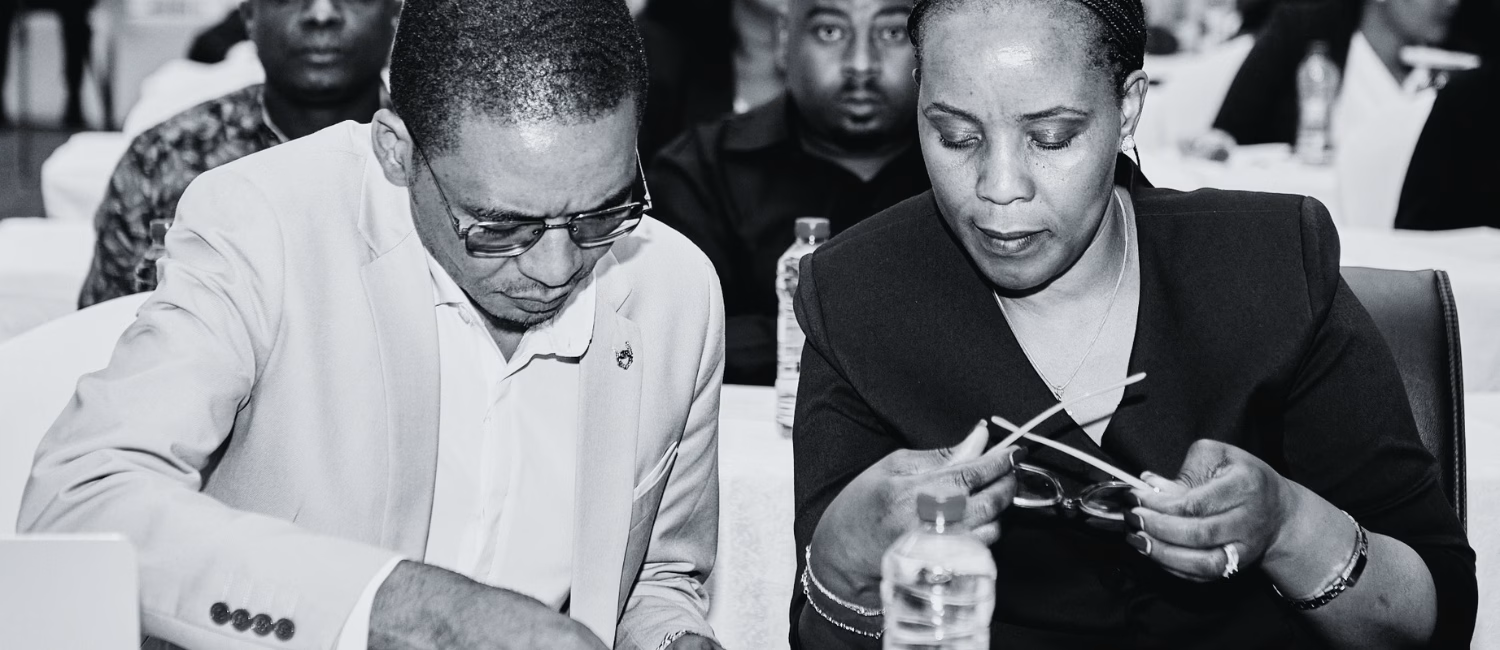
On 8 October in Dodoma, the Public Relations Society of Tanzania (PRST) marked ten years at its AGM and PR and Communication Excellence Awards. Ten years deserves a celebration. It also deserves a harder question: what must the next ten deliver?

Ms. Savera Salvatory Kazaura, Director of Administration and Human Resource Management at the Ministry of Information, Culture, Arts and Sports, gave the Guest of Honour’s address, and she went straight to the uncomfortable part. She urged leaders in public and private institutions to involve PR professionals at the early stages of planning and decision-making, not to use them to announce decisions that have already been made. Public Relations, she argued, is more than press releases, events and publicity.
That argument came from inside government. I hope the people who needed to hear it were in the room.
Because the logic is simple. A communicator in the room before the decision can tell you which stakeholders will feel it first, where resistance will come from, which words will be misunderstood, and which crisis you are about to manufacture with your own hands. A communicator called after the decision can only choose the font for the bad news.

Fast is Not the Same as Trusted
Now add the times we live in. A rumor about your institution can be in a family WhatsApp group before your management meeting has finished its tea break. Ms. Kazaura warned about how fast misinformation spreads on social media, and about technologies that can create or alter images and voices.Technology has made communication faster. It has not made it more believable. Too many institutions still answer a viral rumor three days later with a stamped letter in PDF.
Trust is not built during the crisis. It is built in all the ordinary days before it, through accurate information, timely responses, openness and, above all, leaders whose actions match their words.
Broadcasting is Not Listening
Ms. Kazaura also insisted that communication must run both ways. Institutions should not only send out information; they should listen, answer questions and act on the concerns citizens raise. This is where many of us fool ourselves. We publish a statement and call it communication. We trend for an afternoon and call it engagement. But did people understand the decision? Did the leaders understand what worried the people? Did a single piece of feedback change anything the institution did? If not, we were not communicating. We were making announcements.
The Profession Must Earn its Chair Too

Dr. Mary Hospicia Kafyome, former PRST’s Vice President, told the gathering that the Society has prepared and submitted a draft law to establish a formal system for overseeing the profession, with recognized standards, upheld ethics and professional accreditation. The process is still under way. Ms. Kazaura, for her part, said the Government is ready to keep working with PRST to formalize the profession.
But a law alone will not open the boardroom door. Dr. Kafyome herself acknowledged that the profession still needs more involvement in strategic decisions, more research, and better measurement of what communication achieves. If we want a seat at the table, we must arrive with evidence, not just enthusiasm. A practitioner whose whole contribution is congratulatory posts about the boss is not a strategist. He is a well-dressed praise singer, and we already have plenty of those.

After ten years, my challenge is simple. To leaders: stop calling your communicators only when the walls are cracking. To practitioners: bring data, judgement and ethics that make you impossible to leave out.
A leader who invites communicators only to announce decisions is not looking for advice. He is looking for a loudspeaker. And every Tanzanian who has lived next to a busy bar knows that a loudspeaker makes noise. It does not make friends.