
Every tourist season, on the road from Arusha to Ngorongoro, you see the same picture. Land Cruisers with popped roofs roll past in red dust, cameras hanging out of the windows, dollars travelling inside. And on the roadside, a young man selling bananas waves, smiles, and quietly wonders how the Land Cruiser became somebody else’s business and not his.
I kept thinking about that young man while reading the speech delivered by Mr. Nkoba Mabula, Deputy Permanent Secretary in the Ministry of Natural Resources and Tourism, at the opening of the 4th Arusha International Tourism Conference and Expo (AITC 2026). One line stayed with me. Our parks, mountains, beaches and heritage, he said, are a remarkable foundation, but having them “is not enough.” They must be visible, accessible, digitally connected and competitive. Not enough. From a senior official, that is refreshing honesty. And honesty is where good communication begins.

The Lion Does Not Advertise Itself
We Tanzanians sometimes behave as if Serengeti will sell itself. The wildebeest will migrate, the tourists will come, the money will flow. The real question is: who is talking on its behalf? For too long we have treated communication in this sector as announcements. A press release after a meeting. A ribbon-cutting on the evening news. A speech applauded, then filed. That is publicity. It is not strategy.
Strategy asks harder questions. Does the investor in Dubai know exactly where the opportunity lies? What about the woman running a small guesthouse in Mto wa Mbu—does she know which digital tools can take her business to the world? And does the village next to the park see conservation as an economic opportunity, or simply as the government’s fence?

Everyone Has a Role. Does Everyone Know It?
Mr. Mabula did something useful in his speech. He listed the players. Government provides policy and regulatory direction. The private sector brings investment, innovation and market knowledge. Academia brings research and skills. Technology companies bring digital solutions. Communities bring local knowledge, culture and entrepreneurship. Development partners support capacity building. Then the key line: no single institution can drive this transformation alone.
Beautiful list. Now the uncomfortable part. Stop ten people near the Clock Tower in Arusha and ask each one what their role is in the tourism value chain. How many will answer?
The question is no longer whether government communicates. The real question is whether government is building a communication ecosystem where every stakeholder understands their role, sees the opportunity, knows where to engage and, most importantly, knows which door to knock on.
“What is in tourism for me?”
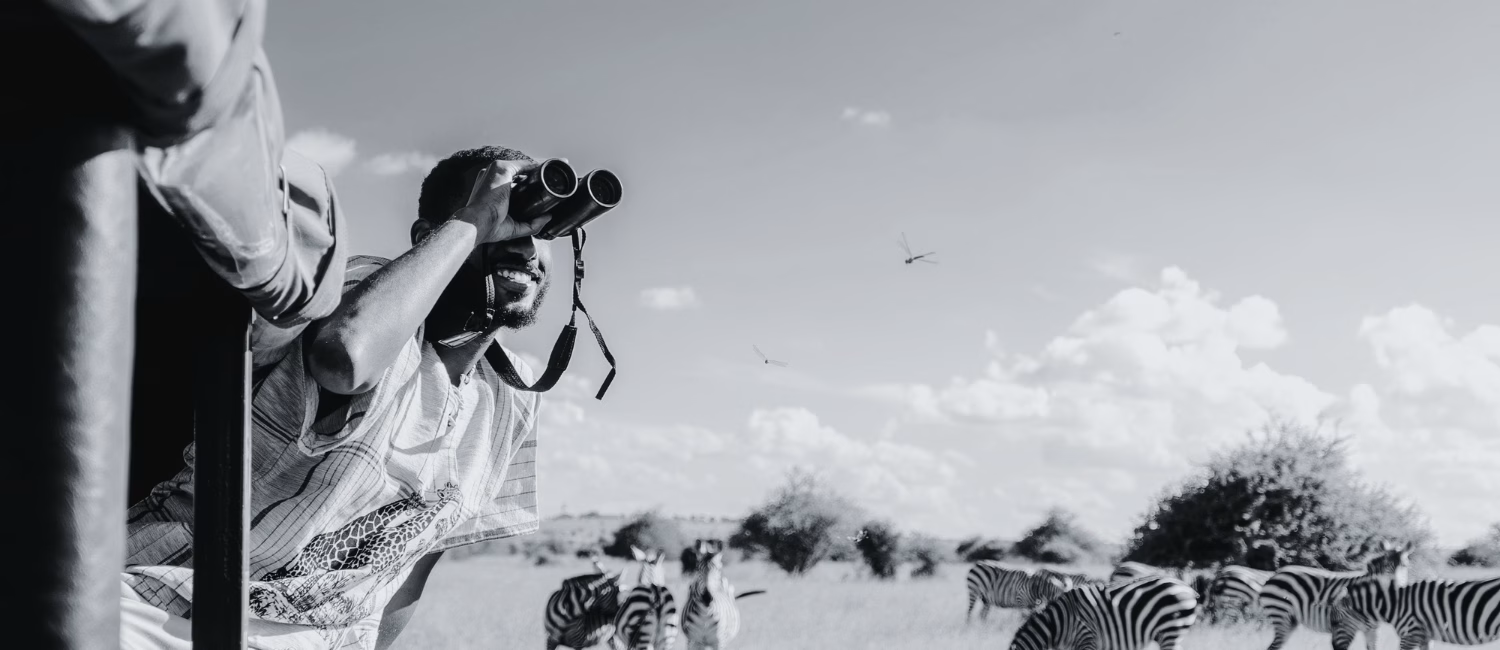
Tourism money does not stay at the park gate. It moves through hotels, tour operators, drivers, farmers supplying vegetables to lodges, carvers, cooks and guides. The speech points to room for investment in digital tourism platforms, digital payments, data analytics, Artificial Intelligence, conservation technologies and virtual experiences. It names young people as tomorrow’s digital marketers, content creators, software developers and tourism entrepreneurs.
But an opportunity that is not communicated is an opportunity reserved for those who already know. Our banana seller will not read a policy document. He listens to radio, scrolls WhatsApp and trusts his village chairman. If our message is not there, in his language, then for him it does not exist. The speech warns that digital transformation must not create a new divide. I agree, and add: the first divide is not about smartphones. It is about information.

From Speeches to Action
Mr. Mabula closed by asking that AITC become a platform for action, not only discussion. We usually gather in air-conditioned halls, agree on everything and go home. Next year we gather and agree again. Communication must be judged by what moves, not by what is said. The chain is simple: Awareness, Engagement, Participation, Investment, Economic value. A campaign that stops at awareness has done half the job and collected full payment.
So, some honest questions. Are our Ministries and Agencies speaking with one voice, or are they communicating as separate offices? Are communities being engaged as partners, rather than treated as beneficiaries? And are investors receiving clear, consistent information, or relying on rumors at the hotel bar?
Our Parks are not the problem. Our silence is.
The lion keeps roaring in the Serengeti, whether we speak or not. Yet the lion does not open a bank account; people do. And if tourism is to create real economic opportunities for more Tanzanians, we must learn to speak to them, listen to them, and bring them into the conversation.
#MrProjects