
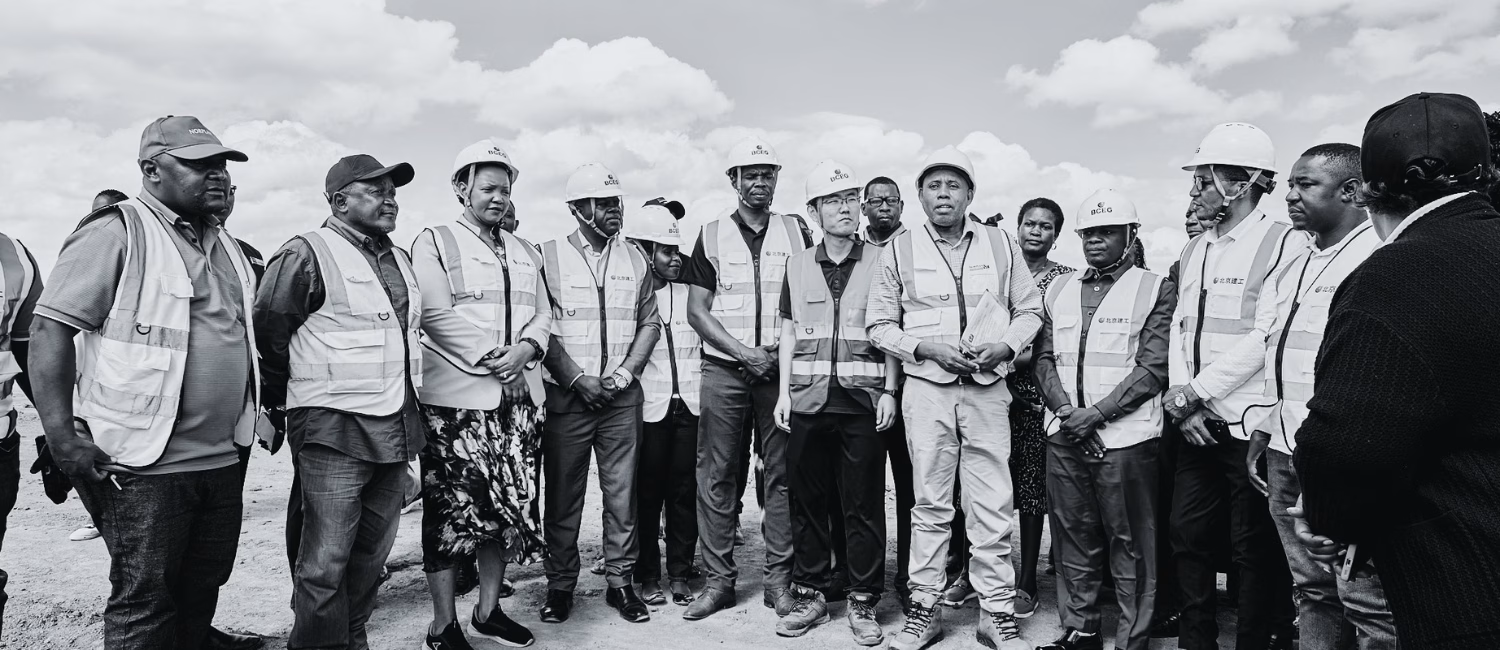
Nobody thanks a sewer. Nobody posts a photo of a borehole. We notice water and sanitation only when the tap runs dry or the drain overflows. Yet no city rises without them. That is why the visit by Public Relations Society of Tanzania (PRST) delegates to the DUWASA water supply and sanitation project, during the AGM in Dodoma, deserves more than a passing line in a conference report.
The Work Nobody Photographs
The project serves the Government City in Mtumba, also called Magufuli City in the report. Its purpose is simple to state: give a properly planned capital the water and wastewater systems it needs to function. But here is the irony. The most important infrastructure is often the least visible. Pipes sit underground. Treatment ponds sit on the edge of town. A citizen can drive past billions of shillings in work and see only a trench. Out of sight too easily becomes out of mind.
Three Contracts, One Government City
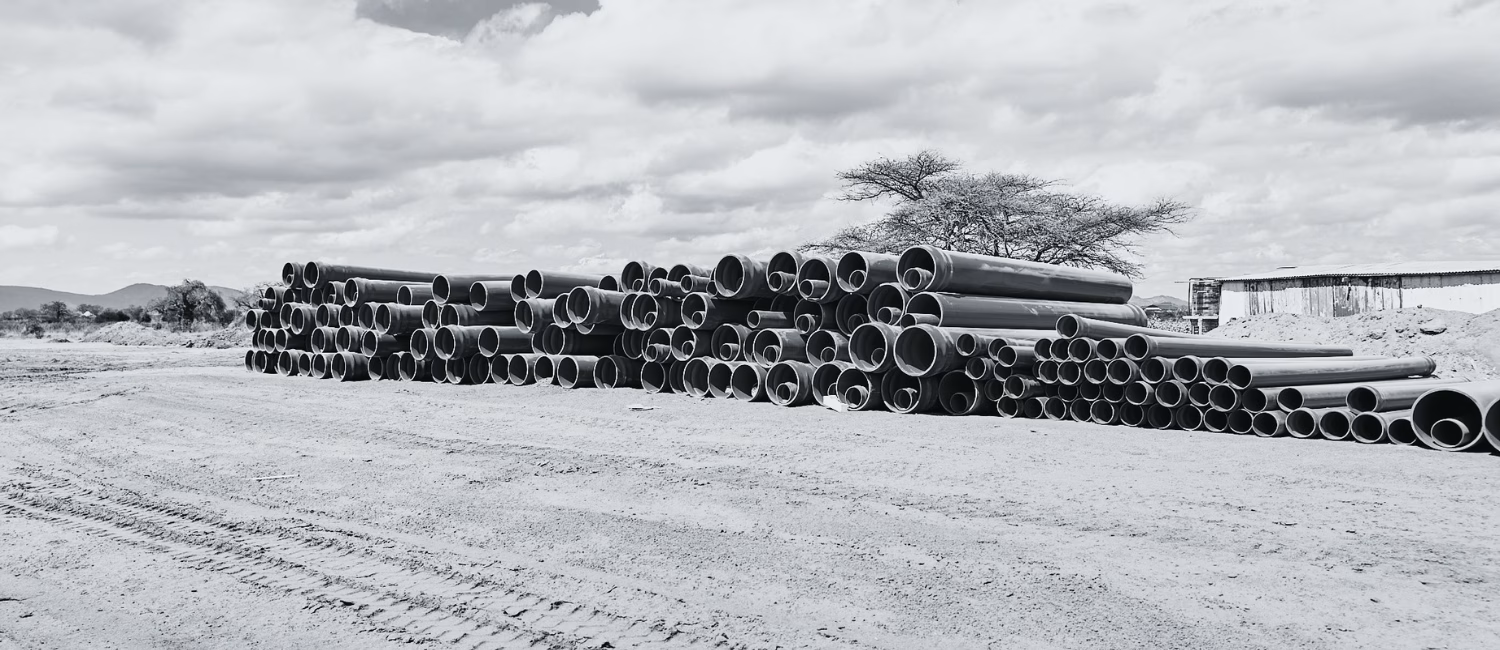
The Dodoma Urban Water Supply and Sanitation Authority (DUWASA) is the employer on three construction contracts, funded by the Government of Tanzania. According to the project progress report, China Harbour Engineering Company handles wastewater networks inside the city. China Railway Seventh Group handles water supply, groundwater investigations and boreholes. Beijing Construction Engineering Group builds the main trunk sewer and wastewater treatment ponds at Buigiri.
Together with contract supervision, the report puts the cost at about TZS 88.89 billion, excluding VAT. That is public money. Citizens are entitled to understand what it buys. The Government City cannot function as intended without all three.
What the Percentages Do Not Say
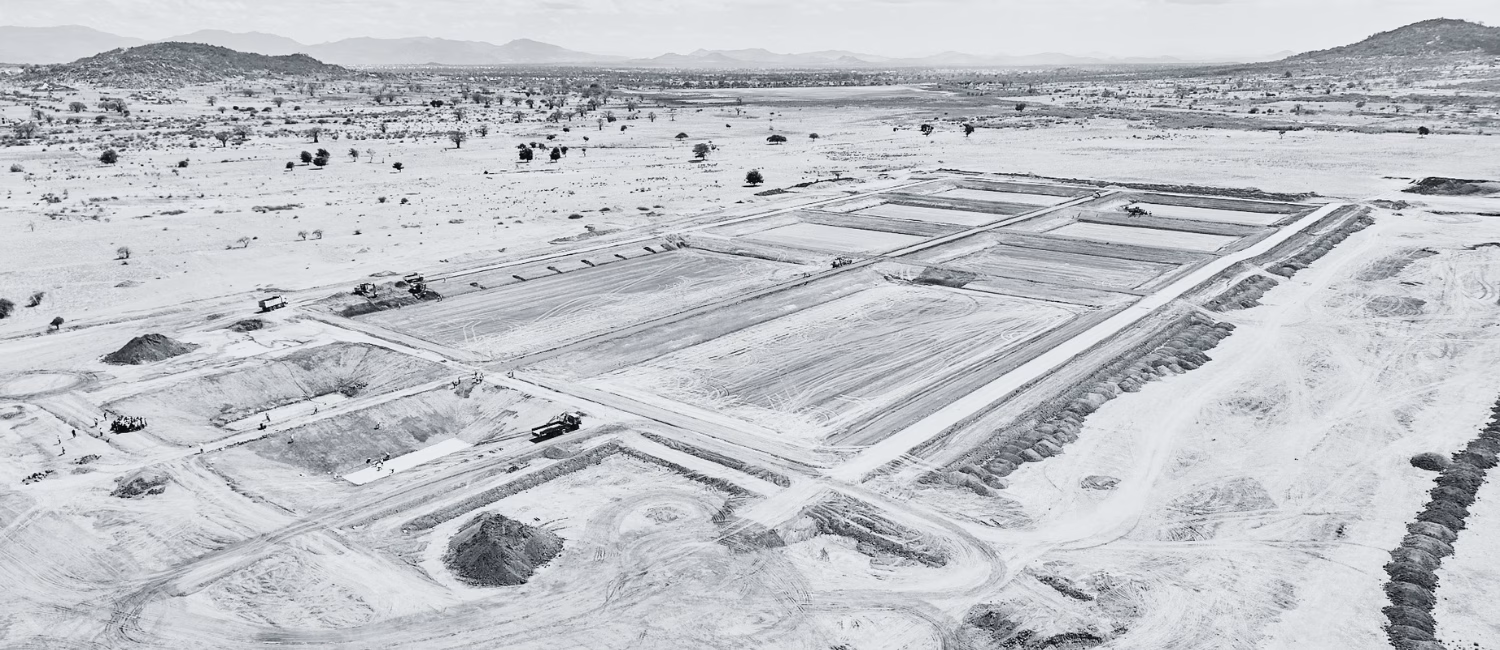
The report records overall progress of 36.4%, 35% and 24% across the three packages. Revised completion dates for the first two fall in November 2026. The third runs to June 2027.
Those numbers look tidy. They are not the whole story. Within the water supply package, for example, the report records about 39.4 of 59.1 kilometres of pipeline laid, yet only preliminary work on the large storage tanks and no start yet on the water treatment plant. A single percentage hides that texture.
So what does “35% complete” mean to a resident of Dodoma? Probably nothing, unless someone explains it. These are planned outcomes, not services already delivered, and honest communication says so.
When Payments Slow, Progress Follows
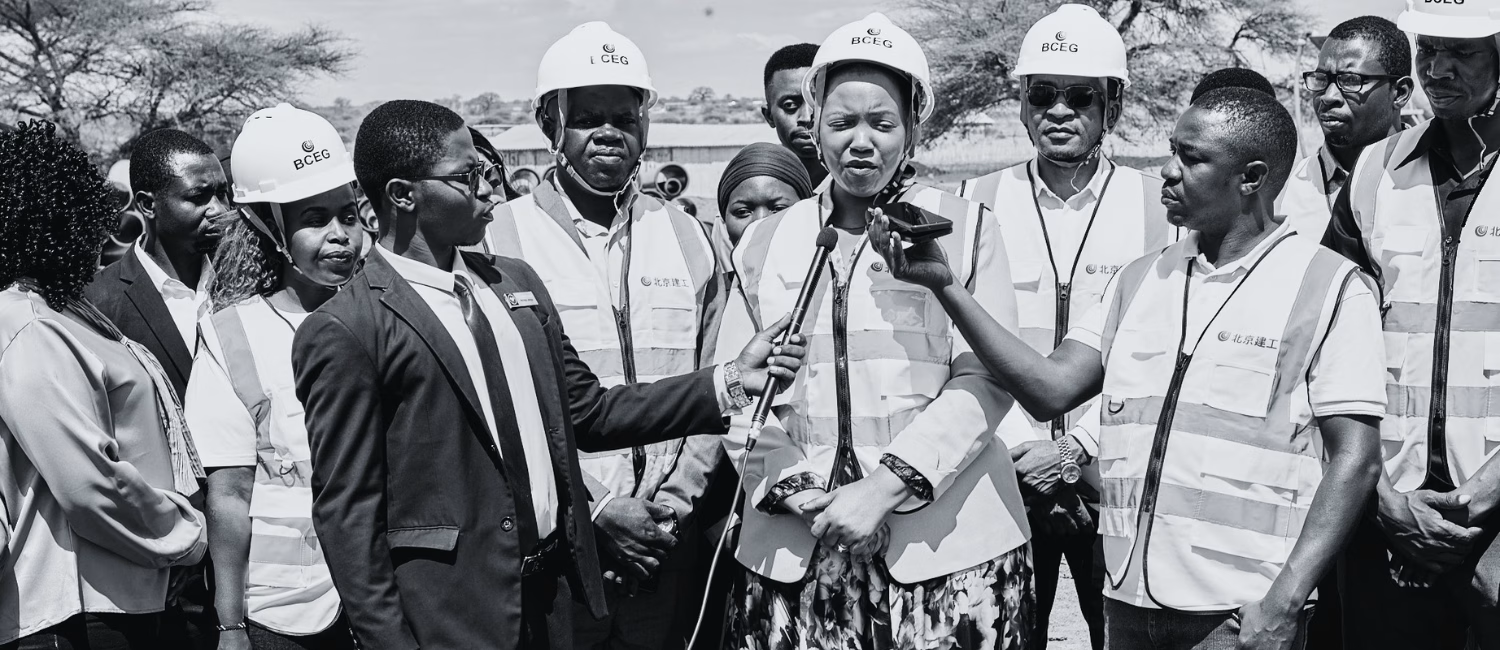
The report is candid about a hard problem. Delayed payments, it says, affect the purchase of materials and the pace of construction. It calls for timely payments and close cooperation among DUWASA, the project manager, contractors and relevant government authorities.
Notice what this is not. It is not proof of misconduct. It is a risk identified in an official document. But a risk that stays inside a report becomes a rumour outside it.
Silence is a poor communicator. When people hear nothing, they invent explanations, and invented explanations are rarely kind to institutions.
Where Public Relations Comes In
Too many of us treat communication as the final coat of paint. Finish the project, announce it, cut the ribbon. That is decoration, not strategy.
Real public relations begins earlier. It translates “sub-trunk sewer” into “the pipe that carries a neighborhood’s waste safely away.” It explains why a deadline moved and what must happen for the new one to hold. It listens to residents’ concerns before they harden into anger. It reports progress and problems in the same breath. Ask anyone who has managed a crisis: the questions arrive whether you prepared answers or not.
Let us be clear about the limits, too. Communication cannot replace sound project management, adequate funding or timely payment. A well-written statement will not lay a single pipe. But without it, even good work struggles to earn trust.
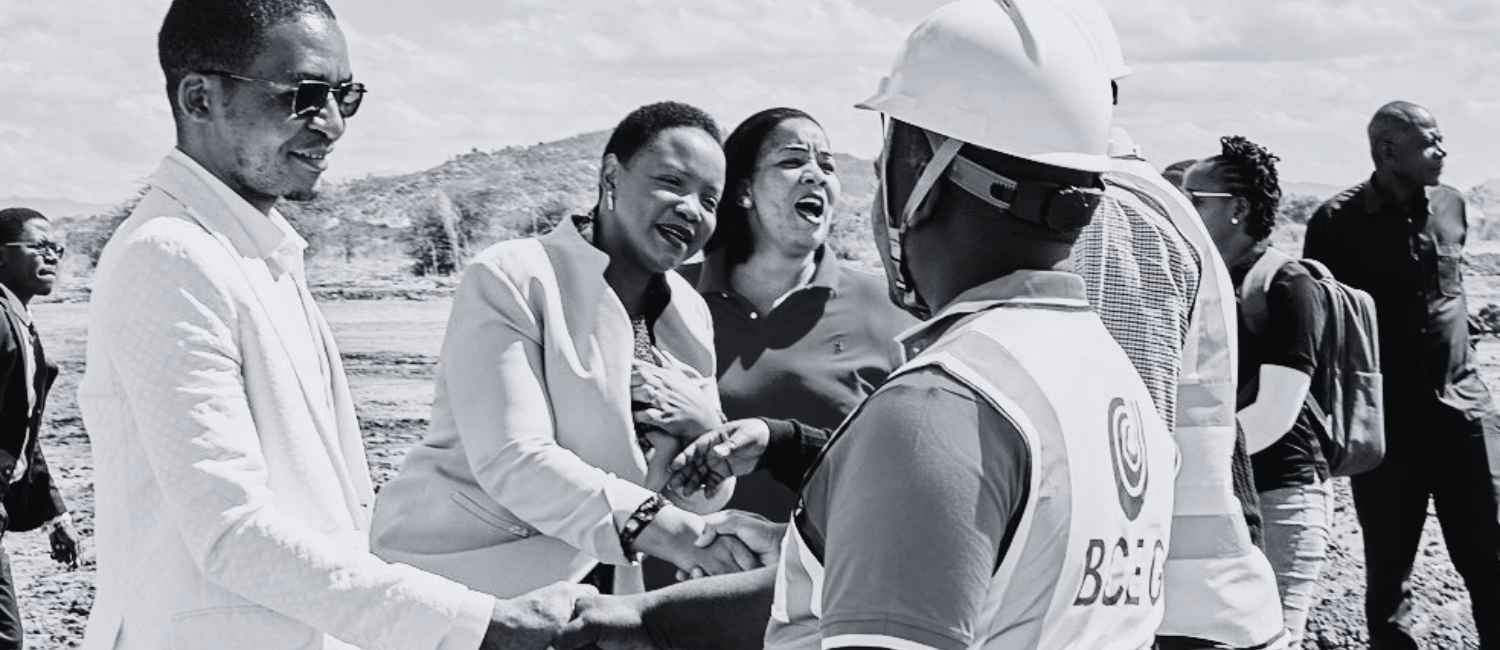
That is the real value of visits like the PRST delegates’ tour. Practitioners who have stood near the work, and read the figures behind it, are better placed to ask sharper questions and explain complex projects in plain language. Tanzania’s wider public accountability conversation needs exactly that.
Built, Then Explained
Tanzania’s water infrastructure will earn public trust only when people understand it. One day, citizens will judge the Government City by whether their taps deliver water and the sewers function. But long before then, they will judge the government by how honestly it communicates progress, challenges, and setbacks.
Pipes can be safely buried. Progress should never be.
Development that is built but never explained is just a trench with a budget.